
Revisit: CHICAGO RIOTS

The Chicago Race Riot of 1964 was actually centered in Dixmoor, Illinois, a suburb southwest of the city.  By 1960 Dixmoor had less than 4,000 residents. Of that population over 50 percent of its residents were black. A large portion of Dixmoor’s black population were recently arrived migrants from Mississippi, Tennessee, and other southern states. This increase in population placed a heavy strain on the struggling black community.  Like African Americans nationwide, Dixmoor’s black residents were twice as likely to face poverty as local whites, and almost three times as likely to become unemployed.  Local whites often promoted discrimination in employment and housing segregation.  These practices intensified racial tensions between black and white Dixmoor residents which reached a boiling point in 1964. Continue reading Revisit: CHICAGO RIOTS

CHARLESTON, SOUTH CAROLINA RACE RIOT (1919)

The race riot of Charleston, South Carolina in 1919 was a part of a series of race riots that year, known as the “Red Summer.” The migration of blacks out of the south, the end of World War I, the Bolshevik Revolution in Russia, the illness and near incapacity of President Woodrow Wilson, and the 1918 influenza epidemic that killed more than 600,000 in the United States led to widespread social instability. These events lead to fears of social and political upheaval which contributed to racial tensions and violence as whites sought scapegoats and blacks, emboldened by their own progress, sought to defend their rights. Continue reading CHARLESTON, SOUTH CAROLINA RACE RIOT (1919)

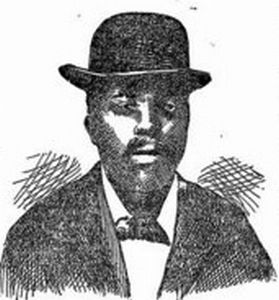
Revisit: ROBERT CHARLES RIOTS (1900)

The Robert Charles Riots began when whites in New Orleans, Louisiana became infuriated after Robert Charles, an African-American, shot several white police officers on July 23, 1900. A manhunt for Charles began after he fled after an altercation with New Orleans police officers. The race riot lasted over four days and claimed twenty-eight casualties, including Charles. Continue reading Revisit: ROBERT CHARLES RIOTS (1900)